Top 20 Vibe Coding Tools & Websites in 2026
Vibe coding has exploded in 2026, with new tools promising to turn ideas into shipped products in minutes. This roundup ranks the 20 best vibe coding tools and websites — from Cursor and Claude Code to Lovable and Bolt.new — so you can pick the right one and start building.
What Is Vibe Coding?
Vibe coding is the practice of building software by describing what you want in plain language and letting an AI system generate, edit, and ship the code — instead of writing every line by hand. The term was coined by AI researcher Andrej Karpathy, and it now covers everything from AI-native code editors used by professional developers to fully no-code browser builders used by non-technical founders.
In 2026, the vibe coding landscape has matured fast. Tools that felt experimental a year ago are now powering real production apps, SaaS MVPs, and client projects. Below is a ranked, no-fluff list of the 20 best vibe coding tools and websites you should know about — whether you're a developer, a founder, or a complete beginner.
Quick Comparison: Best Vibe Coding Tool by Use Case
Use Case | Best Tool |
|---|---|
Best overall for developers | |
Best terminal-native agent | |
Best for non-technical founders | |
Best browser-first app builder | |
Best for React component generation | |
Best for parallel AI agents | |
Best for learning while shipping | |
Best enterprise-grade builder | |
Best GitHub Copilot alternative | |
Best OpenAI-native agent |
The Top 20 Vibe Coding Tools & Websites
1. Cursor
Cursor remains the reference AI-native code editor for professional developers in 2026. With Cursor 3, it added parallel agents, a design mode, tiled layouts, and Composer 2 — making it feel less like "AI inside an editor" and more like a full agent workspace. Best for developers who want deep control without leaving a familiar VS Code-style environment.
2. Claude Code
Claude Code is the strongest option for terminal-first, repo-level work. It's accurate, excellent at multi-file changes, and recovers well when things break. With skills, MCP integrations, and memory, it functions as a serious long-term development tool rather than a simple assistant — ideal for building and maintaining real SaaS products.
3. Lovable
Lovable is the most complete end-to-end vibe coding platform for non-technical founders. Describe your app in chat, and it generates a full-stack build with a visual preview, Supabase-backed data, built-in auth, and GitHub sync for code ownership. Great for MVPs and internal tools.
4. Bolt.new
Bolt is a browser-first tool built for speed. Prompt, iterate, and go from idea to a working scaffold without getting pulled into infrastructure setup. It's a favorite for founders who want the fastest visual progress.
5. v0 by Vercel
v0 is the best vibe coding tool for developers who want a technical interface with strong customization. It generates React components and full UI from prompts, with one of the smoothest deployment flows of any tool, thanks to its tight integration with Vercel and Supabase.
6. Replit
Replit combines a cloud IDE, an AI coding agent, and hosting in one approachable package. It's feature-rich and powerful, making it a strong pick for people who want to learn to code while shipping real products.
7. OpenAI Codex
Codex has evolved from a coding agent into a genuine daily vibe-coding environment. With a dedicated app, browser-assisted frontend work, parallel agents, and continuity across app, CLI, and IDE, it now ranks near the top for technical founders and product-minded developers.
8. Windsurf (now Devin Desktop)
Windsurf rebranded to Devin Desktop under Cognition in 2026, carrying over its Cascade agent and pricing tiers. It's built for large codebases and agentic editing across big repositories — a strong choice for teams working in complex, established projects.
9. GitHub Copilot
Microsoft's flagship AI assistant works natively inside VS Code and JetBrains editors. It suggests code, explains snippets, and now supports agent mode for multi-file tasks. For teams already deep in the GitHub ecosystem, adoption is seamless.
10. Google Antigravity
Antigravity's standout feature is its Manager View, which lets you run multiple AI agents in parallel rather than working one task at a time. It's especially compelling for teams with backlogs of independent tasks that can be tackled simultaneously.
11. Base44
Base44 is positioned as an enterprise-grade visual app builder with compliance features built in — a solid option for larger organizations that need vibe coding speed without sacrificing governance and security requirements.
12. Tempo Labs
Tempo Labs targets enterprise teams building production-grade applications visually, with a focus on design fidelity and structured workflows for larger engineering organizations.
13. Amazon Q Developer
Amazon's generative coding agent is embedded across the IDE, console, and CLI. It reads and writes files, runs shell commands, and includes built-in vulnerability scanners. Best suited for AWS-first, cloud-native teams.
14. Sourcegraph Cody
Cody takes a repo-wide approach by indexing entire codebases, enabling batch changes and cross-file fixes. It's now enterprise-only and popular with large organizations, including banks and federal agencies, that need to work across massive codebases.
15. Factory (Droids)
Factory's Droids are built around complete development tasks — coding, testing, and deployment — rather than isolated code snippets. Its workflow understands your existing codebase and collaborates inside an active repo, making it a fit for professional engineering teams.
16. Kilo Code
Kilo Code is an IDE-native option for developers who want to stay inside their current editor while getting agentic coding support, rather than switching to a browser-based builder.
17. Continue
Continue is an open, IDE-integrated AI coding assistant favored by developers who want flexibility in model choice and a lighter-weight footprint than full AI-native editors.
18. Zed
Zed is a fast, AI-from-the-ground-up code editor built for developers who want a modern, high-performance alternative to traditional IDEs with AI deeply woven into the editing experience.
19. MakerKit
MakerKit isn't a code generator itself — it's a Next.js SaaS starter kit designed to pair with tools like Cursor and Claude Code. Its explicit schema definitions help AI tools generate correct database code on the first try, making it a popular foundation for teams shipping real SaaS products.
20. Devin (Cognition)
Devin, the AI software engineer from Cognition, positions itself as an autonomous agent capable of handling full engineering tasks end-to-end, from planning to implementation — now integrated into the broader Devin Desktop ecosystem alongside the former Windsurf editor.
No-Code Builders vs. AI-Assisted Coding: Which Should You Choose?
Vibe coding tools generally fall into three categories:
No-code AI builders (Lovable, Bolt.new, Replit Agent) generate complete applications from a description. Fast for demos, but you're often locked into the platform and limited in deep customization.
Component generators (v0) create UI pieces you export and wire together yourself — useful for kickstarting design work.
AI-assisted coding tools (Cursor, Claude Code, Antigravity) enhance a real development workflow, giving you full control and production-ready output, but require coding knowledge.
The most common mistake founders make is picking a tool based on speed to first demo rather than speed to production. No-code builders are excellent for validating an idea in a weekend — but authentication edge cases, multi-tenancy, and billing webhooks are where they tend to break down at scale.
Final Thoughts
The best vibe coding tool for you depends entirely on who you are and what you're building. Developers shipping production SaaS should lean toward Cursor, Claude Code, or Codex. Non-technical founders validating an idea fast will get more mileage out of Lovable or Bolt.new. And teams working across large, established codebases should look at Devin Desktop (Windsurf), Sourcegraph Cody, or Google Antigravity.
Whichever tool you pick, remember: vibe coding makes you faster, not infallible. Use these tools to build quickly, but always review, test, and understand the code before you ship it to real users.
Related Articles
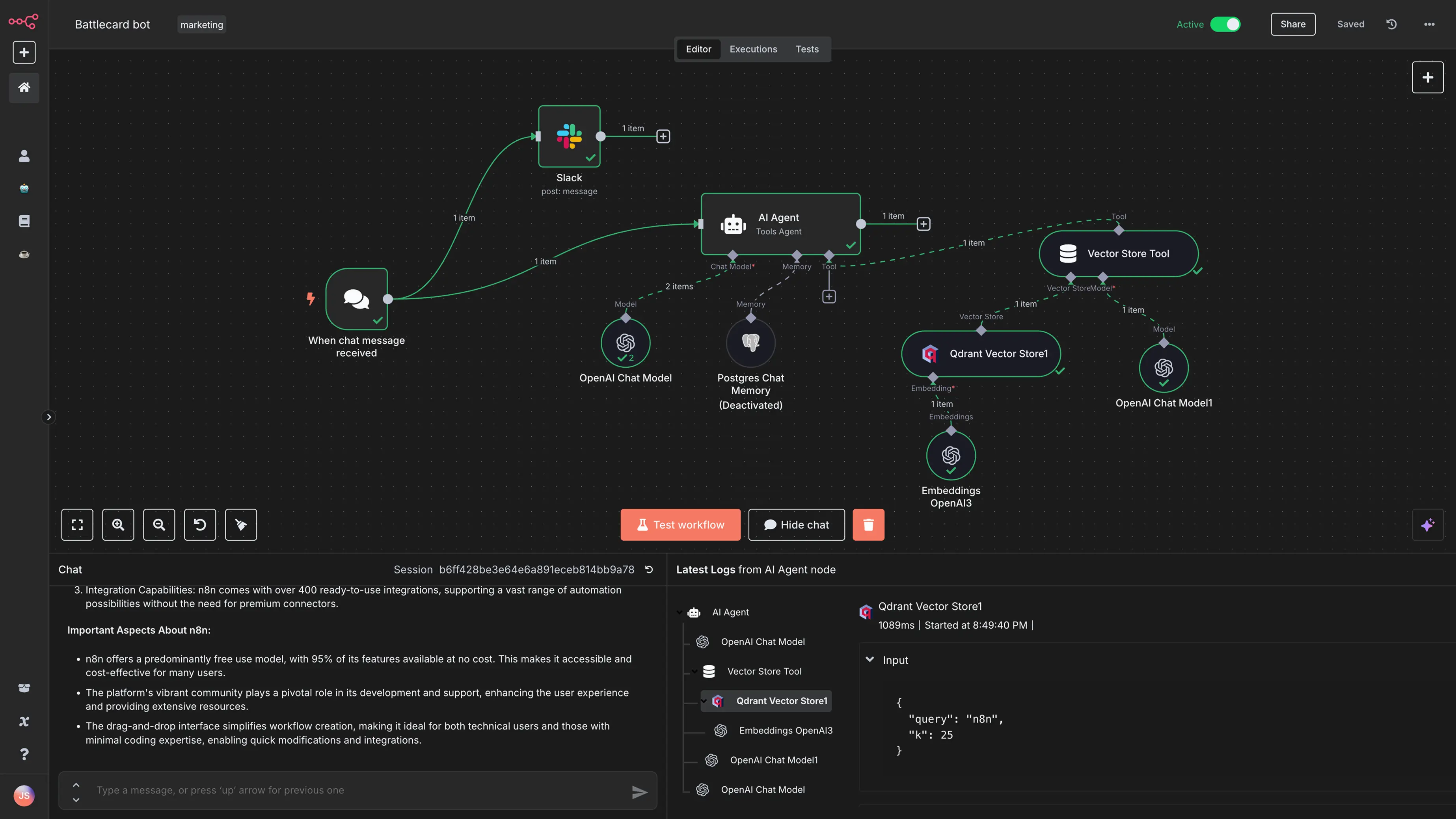
How to Automate Content Publishing with n8n + Gemini: The Complete Free Workflow Guide (2026)
A complete, step-by-step guide to building a free n8n + Gemini automation pipeline that pulls trending topics from HackerNews, GitHub Trending, and RSS feeds, writes full articles with Gemini 2.5 Flash, and auto-publishes them to dev.to — no code required.
Comments (0)
Be the first to comment.